
A Part-Time Job Master's Guide: Tips for Landing the Best Gigs
"How do you always manage to land such great gigs?
You could literally tutor people on finding part-time jobs."
After stepping into the world of part-time work in college, I explored a variety of interesting — and sometimes ridiculously great — gigs, becoming a self-proclaimed part-time job master. Along the way, I picked up plenty of know-how, and I've always wanted to organize it all and write something helpful for other job seekers. So here I am, finally sharing that story on Have-been.
My Criteria and Part-Time Job History
I mostly preferred short-term gigs. Long-term jobs lasting several months had their perks, but I usually saved those for during the semester. When the semester ended, I'd take on multiple short-term gigs like individual projects — great for saving money, organizing my schedule for a fun break, and best of all, gaining a wide range of experiences.
Here's a sample of the jobs I've done:
- Night shift at a semiconductor factory
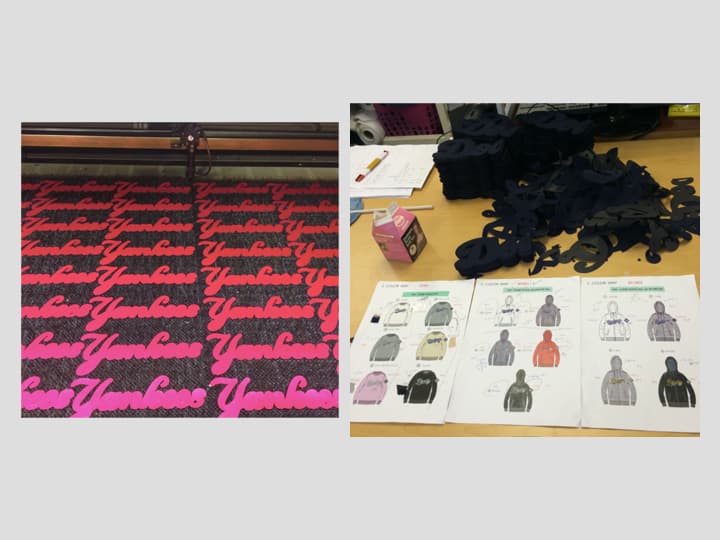
- Laser-cutting fabric subcontracting for MLB
- Making subway information signs
- Creating scenario scripts for a translation app
- Department store pop-up shop
- Artificial tears (medical supply) production factory
- Sorting deliveries for CU convenience stores
- Marathon event staff
- Cultural event staff
- University work-study scholarship
- Interview staff for Naver
- Consumer focus group research
- Real estate assistant
- Children's overseas camp mentor
And many, many more.

How My Part-Time Job Life Began
My part-time career started later than most — in my sophomore year of college — and it was unusual from the very beginning. My first gig was a factory night shift. I'd focus on studying during the semester, then go back to my parents' house during breaks to work. Factory jobs were common for students in the Gyeonggi-do area where there are plenty of factories, but my college friends would look at me with concerned eyes and say, "You're going to work at a factory?" — as if my family had fallen on hard times or something. (Ha!)
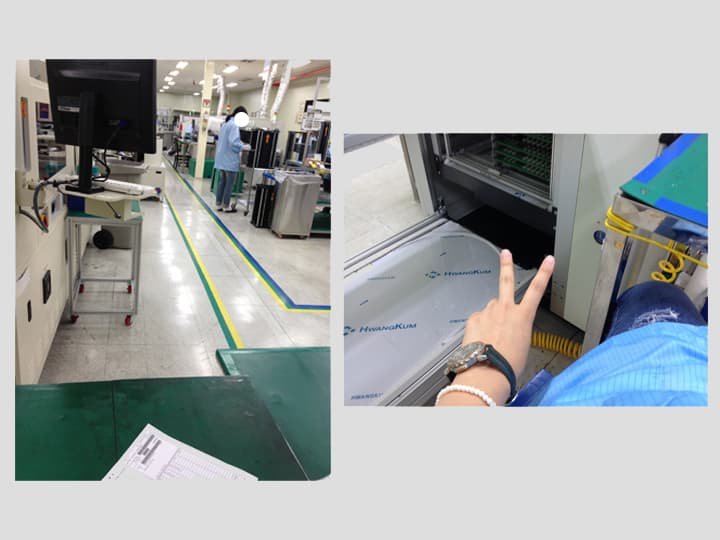
My reason for choosing that job was simple. I'd always wanted to experience factory work at least once, it was a short-term gig, and most importantly — the pay was great. I worked a total of ten days and earned one million won, which was an enormous amount of money for a 21-year-old. (Honestly, it still feels like a lot to me.)
But getting that job wasn't easy.
First, when college students go on break, applicants flood in and jobs become scarce. Every time I applied, I'd get the same response: "Already filled." I realized I needed a different approach.
After repeated failures, I decided to come up with a more specific and strategic plan.
Job Hunting for Part-Time Work Requires Strategy Too
1. Download and sign up for every part-time job app out there
Different employers post on different platforms — Albamon, Alba Heaven, etc. — so you need to check as many as possible to avoid missing opportunities. Surprisingly, a lot of people don't even do this basic first step and then wonder why they can't find anything.
2. Set specific times to check for newly posted listings in real time
Speed is more important than you'd think in part-time job hunting. If you apply to an old listing, chances are there are already tons of applicants ahead of you. I always checked listings in real time to pick out the ones worth applying to.
3. Keep your resume on each app well-maintained
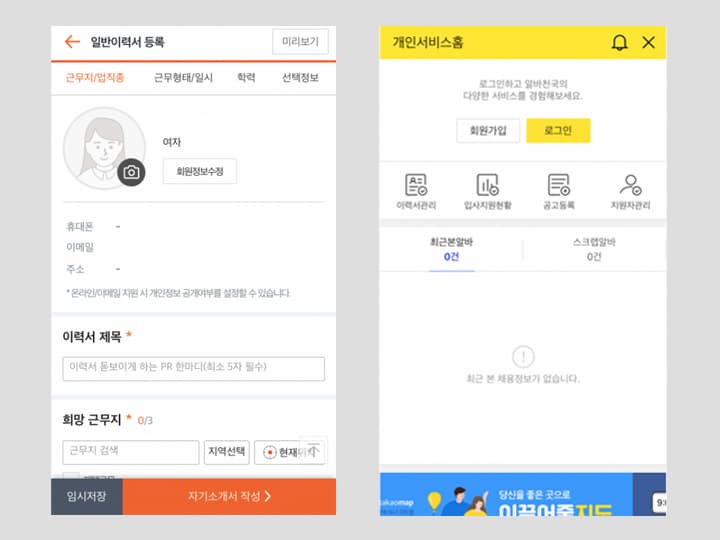
Most job apps let you apply through the app, by text, phone, or email. Even if you're a college student without a formal resume, these apps offer simple and standard resume templates. Fill in all your basic info, set a photo, write a self-introduction — complete every required field and register it.
Once it's registered, it's incredibly useful for applying to multiple jobs. Some companies only accept online applications, and after getting hired at one such place, the recruiter told me that the simple act of submitting a well-prepared online application was enough to screen candidates for basic competence and diligence.
4. Read the job posting carefully before applying
This sounds obvious, but it's more important than you'd think. Some postings say they only check phone or text applications. Others only accept online applications. If you don't read carefully and apply however you want, you'll never land a job — and sometimes you'll even get scolded for it.
5. Apply through every available method and make yourself stand out
For postings that accept phone, text, online, and email applications — apply through every channel except phone. For example, submit your resume through the app's online application, and if the recruiter's email is listed, download your resume and send it via email too.
Hello, my name is OOO and I've applied for the position at Have-been Company through the Alba app. In case it might be more convenient for you to check emails, I'm also sending my application here! If given the opportunity to work with your company, I'll give it my absolute best. Thank you and have a great day! :)
Applicant: Name
Phone number
Then finally, send a text message.
Hello, my name is OOO and I've applied for the OOO position at your company. I've sent my resume via the app and email — I'd be very grateful if you could take a look. Looking forward to hearing from you. Have a great day! :)
Think about it — there are countless applicants who just text "Still hiring?" and leave it at that. Among those people, who wouldn't want to hire someone who puts in the double and triple effort like this?
6. Fill in every possible blank when applying
You can't rewrite your resume from scratch for every single application. So make your base resume on the job app general enough to work for any company (if you're applying to very different types of jobs, you can save multiple versions). But for each application, customize the application title and cover message — just like an email subject line and body — to match the specific job. The less work experience you have, the more important this is, because all these small details speak volumes about your passion, responsibility, and diligence.
7. Be polite, professional, and show some savvy
If you've read this far, you might be thinking: "All this just for a part-time job?" But as I mentioned, a surprising number of people think "Hey, still hiring? I wanna work there" counts as an application. If you want to check whether a posting is still active before applying, instead of sending a message like that, gather all the information available from the posting and try something like:
Hello, [Recruiter Name] at Have-been Company (for cafes or pubs, feel free to use titles like "Owner" or "Manager"). I'm reaching out regarding the OOO position posted on [date]. If you're still hiring, I'd love to send my resume and apply! Looking forward to your reply!
The small skill of mentioning the recruiter's name is surprisingly effective. With just a little extra effort, even a simple inquiry about whether the position is still open can set you apart from everyone else — giving off a total part-time job master aura.
8. For time-sensitive postings, have a text message template ready
For particularly great gigs and short-term jobs, speed is everything. Save a template like the ones above in your notes app, leaving blanks for the company name and recruiter name so you can fill them in quickly when the time comes. Send the text inquiry first, then submit your resume. You'd be surprised how many places fill positions on a first-come, first-served basis.
9. It's not over until it's over — always send a thank-you message when the job ends
Companies that hire part-timers might do it as a one-off, but depending on the industry, they may need part-timers regularly. Make a good impression on the recruiter, and when a short-term gig wraps up, always send a thank-you message. Text or email — whichever you communicated through most — starting with something like "Thank you for the opportunity; it was a great experience," and closing with "If you ever need part-time help again, I'd love to work with you. Please don't hesitate to reach out." It might seem trivial, but through this approach, I built a relationship with one company where I kept going back for great short-term gigs for over four years during school breaks — it almost felt like being a freelancer. Build up a few connections like that, and you'll eventually reach a point where you never need to open a job app again.
Walk the Path of a Part-Time Job Master
And there you have it — everything I know, fully shared. For me, part-time work was more than just about money. It was like a rich and enjoyable hobby that broadened my horizons. There are far more types of part-time jobs out there than what I've experienced, and many different paths to take. I hope this post can be even a small help to college students, job seekers, people between jobs, and even working professionals with some free time — so that more people can access those amazing experiences waiting out there!